

A rookie systems engineer designed the (simplified) circuit shown below. The cylinder extends and retracts (auto cycles) as part of an industrial process. During commissioning, the cylinder cycled as intended. But as soon as the hydraulic system reached operating temperature, the cylinder started drifting out between cycles, causing the PLC to shut down the entire process.
The systems engineer had recently read a LinkedIn page where a hydraulics guru made the following statements:
- A horizontal cylinder cannot drift.
- Normal spool valve leakage can be measured in drops per minute.
- A hand pump is the safest, quickest, and most scientific way to field-test 98% of hydraulic components.
Perplexed by this situation, the systems engineer decided to investigate. After following all necessary procedures to make the machine safe, he disconnected the line at the cap end port of the cylinder and connected a hand pump to that line. The hand pump met resistance and held pressure. He concluded from this that the cylinder was faulty. So he changed out the cylinder with the supplied spare.
But as before, when the system reached operating temperature, the cylinder started drifting out between cycles. Now thinking his hand pump technique was lacking, he changed out the DCV with the supplied spare. And once again the problem remained, unchanged.
At this point, with his new machine covered in oil spill, most of its spares inventory christened and his job on the line, the systems engineer doesn’t know what to do next. So help him out. What is happening here and what does he need to do to fix it?
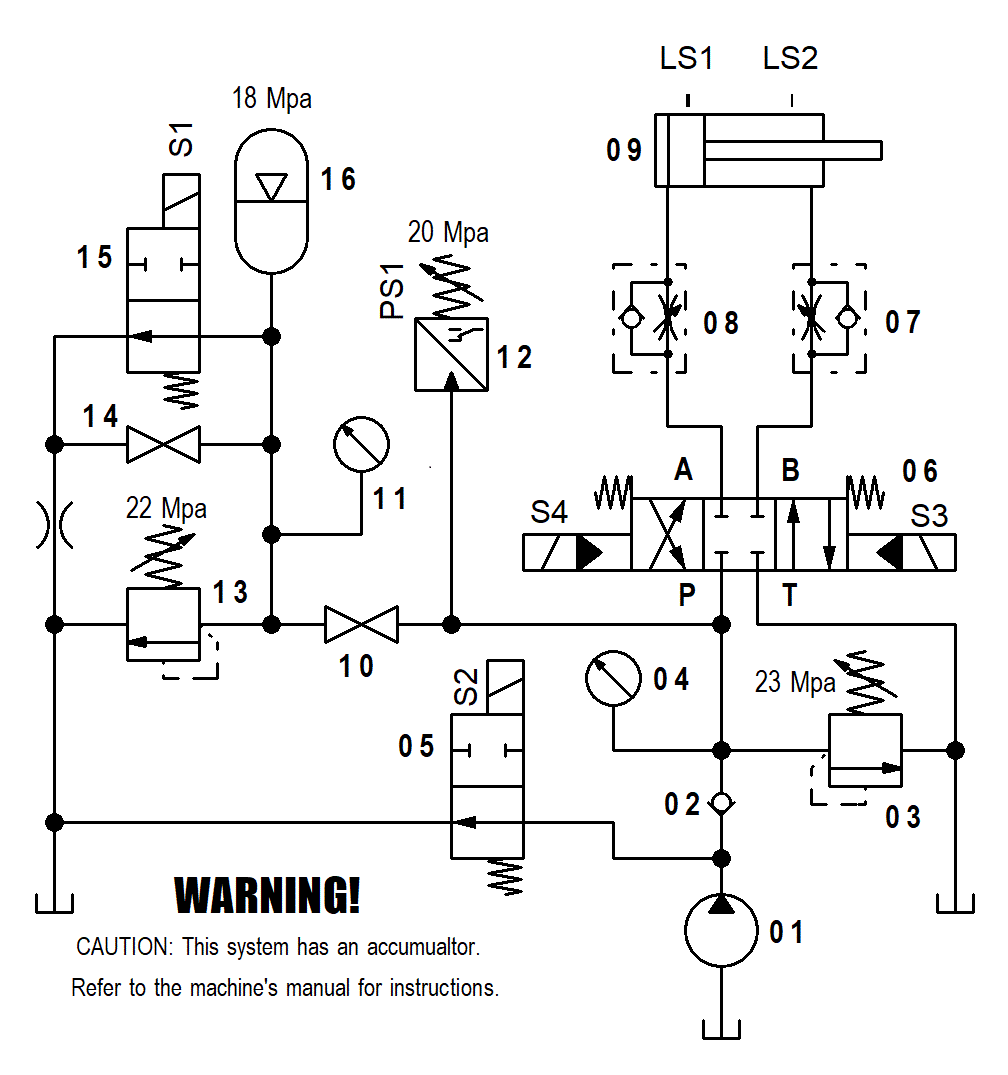
Auto cycling cylinder circuit
If you’re not ready for the answer, look away now.
ANSWER: In the circuit as designed, normal spool valve leakage is causing the cylinder to drift. The fix is, change the DCV center to: P and B blocked; A open to T. Installing PO checks will not fix this issue without also changing the DCV center. And because PO checks are not required in this application (the cylinder is not stopped mid cycle), they would qualify as do-nothing valves. A poppet valve will work, but expensive.
So here are the key takeaways from this story:
- A horizontal cylinder with negative load can drift. A horizontal cylinder with positive load can drift. And in the wrong setup, a horizontal cylinder with no load can drift.
- While it may be technically possible to measure normal spool valve leakage in drops per minute, it is more practical to use a much larger unit of measurement, for example, in3/min or cm3/min.
- A hand pump does not and cannot replicate system effects. It means troubleshooting by hand pump will result in a LOT of false indications. And this is one of several reasons why hydraulics pros rarely, if ever, use a hand pump when troubleshooting.
In other words, troubleshooting by hand pump can be a costly mistake. And to discover 6 other costly mistakes you want to be sure to avoid with your hydraulic equipment, get “Six Costly Mistakes Most Hydraulics Users Make… And How You Can Avoid Them!” available for FREE download here.